

Oriental Rug Cleaning on Long Island: What to Expect From Pickup to Delivery
July 27th, 2026
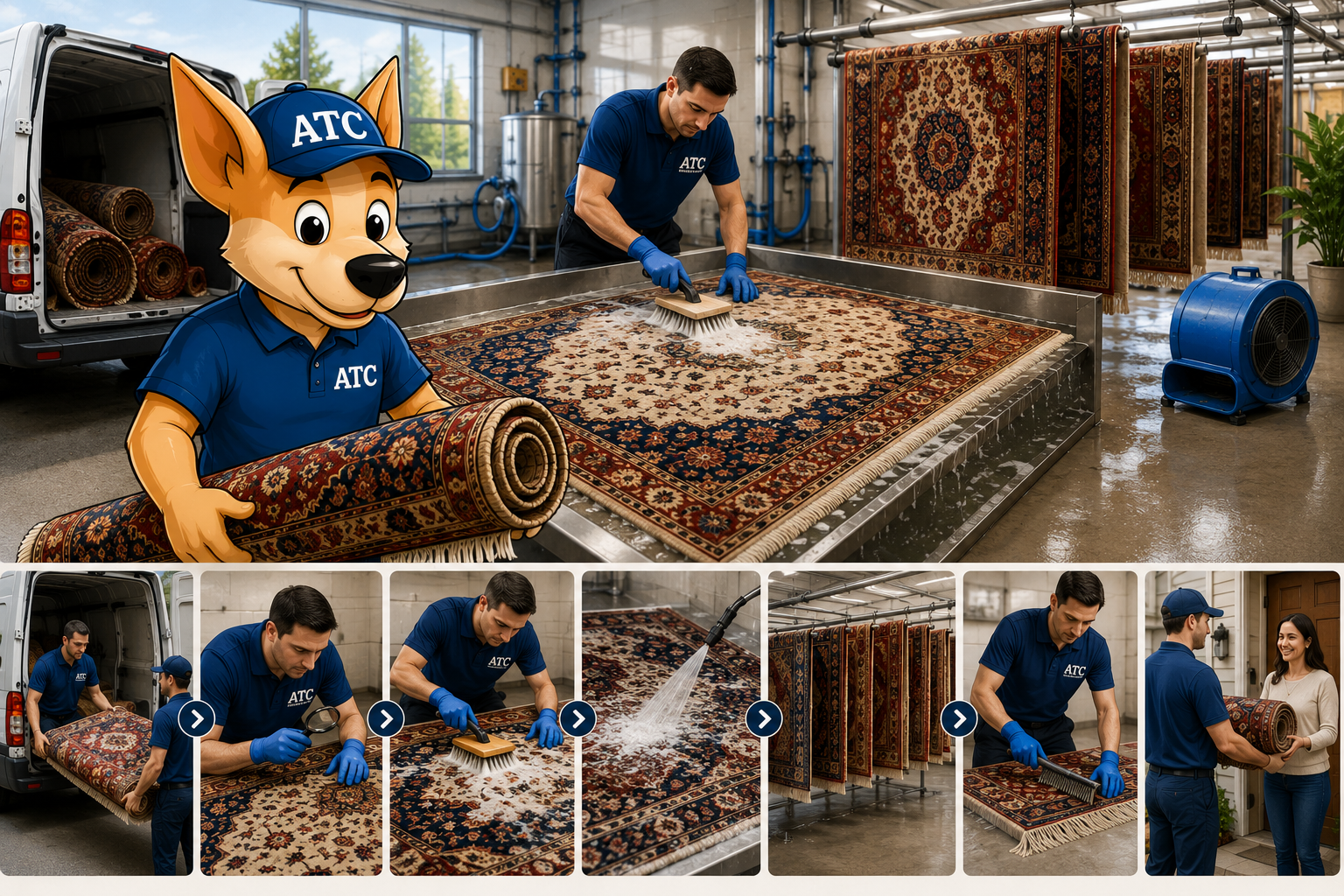
Professional Oriental rug cleaning on Long Island should follow a documented process that addresses the entire rug. That includes the visible pile, embedded dry soil, foundation, fringe, odors, contamination, and drying requirements.
Understanding the complete process helps you prepare for your appointment and recognize the difference between surface cleaning and professional rug washing.
Quick Answer: What Happens During Oriental Rug Cleaning?
Professional Oriental rug cleaning generally includes pre-inspection, fiber and dye evaluation, dry-soil removal, washing, rinsing, water extraction, controlled drying, grooming, and final inspection.
When a rug is suitable for full washing, both sides can be cleaned to release soil and contamination that has traveled beneath the pile. Rugs that cannot tolerate full washing may receive a modified procedure based on their materials and condition.
The cleaner should explain the recommended method, expected results, additional treatments, limitations, price, and estimated turnaround before proceeding.
What Are the Main Stages of Oriental Rug Cleaning?
| Stage | What happens | Why it matters |
|---|---|---|
| Initial conversation | The customer explains stains, odors, pet accidents, spills, previous cleaning, and other concerns. | The cleaner learns about conditions that may not be immediately visible. |
| Pickup or drop-off | The rug is transported to a dedicated cleaning facility. | Facility cleaning provides access to both sides and specialized equipment. |
| Pre-inspection | Fibers, dyes, construction, fringe, foundation, wear, stains, and damage are examined. | The inspection determines the safest cleaning plan. |
| Documentation | Existing stains, wear, repairs, dye movement, and structural concerns are recorded. | The customer and cleaner have a clear record of the rug’s condition. |
| Dry-soil removal | Specialized equipment releases dust, sand, grit, hair, and debris. | Dry particles should be removed before water is introduced. |
| Washing | The rug is cleaned using chemistry and agitation appropriate for its construction. | Attached soil, spills, oils, and contamination are released from the fibers. |
| Rinsing | Soil and cleaning-solution residue are flushed from the rug. | Thorough rinsing prevents residue from remaining in the pile and foundation. |
| Water extraction | A high-speed centrifuge or appropriate extraction method removes moisture. | Faster moisture removal gives the cleaner better control over drying. |
| Controlled drying | The rug is groomed and dried with managed airflow. | Proper drying reduces the risk of odor, mildew, browning, and dye movement. |
| Final inspection | The rug is checked for cleanliness, odor, spots, texture, fringe, and dryness. | The team confirms that the rug is ready to be returned. |
| Wrapping and delivery | The rug is protected for transportation and returned to the customer. | The clean rug remains protected until it is placed back in the home. |
What Information Should You Provide Before Pickup?
The initial conversation helps the cleaner understand why the rug needs attention. Mention any concerns even if you are unsure whether they will affect the cleaning process.
- Pet accidents
- Food or beverage spills
- Water damage
- Previous spot-cleaning products
- Previous professional cleaning
- Moth activity
- Recurring odor
- Loose fringe
- Torn edges
- Existing dye movement
- Worn or weakened areas
- Latex or adhesive falling from the back
- Sentimental or monetary importance
You should also mention unsuccessful cleaning attempts. Household stain removers, peroxide, vinegar, dish soap, laundry products, and other chemicals can affect fibers and dyes. The cleaner needs that information before applying additional chemistry.
Should You Vacuum an Oriental Rug Before Pickup?
Routine vacuuming is acceptable if the rug is structurally sound and the vacuum can be used safely. Avoid aggressive brushing, high suction on fragile areas, and running the vacuum over fringe.
A household vacuum also cannot replace professional dusting. Vacuuming primarily removes material accessible from the surface. Specialized dusting equipment is designed to release particles that have settled deeper within the rug.
If the rug has severe dry rot, loose foundation fibers, or active damage, leave it in place and ask the cleaning company how it should be handled.
What Happens When the Rug Arrives at the Facility?
The rug should be opened and examined before it enters the wash process. An Oriental rug cleaner needs to understand the textile rather than relying only on the customer’s description.
The pre-inspection begins with the rug’s construction. Handmade, hand-knotted, hand-tufted, flatwoven, and machine-made rugs can respond differently to water, cleaning chemistry, physical movement, and drying.
Fiber content is also evaluated. Wool, silk, cotton, viscose, jute, sisal, and synthetic fibers each present different considerations.
The team should examine the pile, foundation, fringe, side cords, repairs, worn areas, and back of the rug. The inspection may reveal conditions that were hidden beneath furniture or difficult to see inside the home.
If the findings change the cleaning recommendation or estimate, the company should contact the customer before proceeding.
How Are Pre-Existing Conditions Documented?
Common pre-existing conditions include:
- Sun fading
- Uneven wear
- Missing pile
- Loose knots
- Fringe deterioration
- Side-cord damage
- Previous repairs
- Dye migration
- Dry rot
- Moth damage
- Foundation weakness
- Latex deterioration
- Permanent staining
- Chemical discoloration
Documentation also helps establish realistic expectations. Cleaning can remove soil and improve the rug’s appearance, but it cannot replace missing fibers, reverse sun fading, or restore material that has permanently deteriorated.
Why Is the Rug Dusted Before Washing?
Dry soil should be removed while it is still dry.
As people walk across a rug, sand, dust, grit, pet hair, crumbs, and other particles move beneath the visible pile. Some settle around the knots and foundation fibers, where normal vacuuming cannot reach them.
At ATC, we explain that approximately 70% of the soil found during rug cleaning can be dry particulate matter. The amount varies, but dry-soil accumulation is one of the main reasons a rug may look dull even after vacuuming.
Professional dusting creates controlled movement through the rug to release embedded material. Once the dry soil has been removed, the wash process can focus on oils, spots, residue, and contamination attached to the fibers.
How Is the Cleaning Method Selected?
The cleaning method should be selected after the rug has been inspected.
A structurally sound wool rug with stable dyes may be a good candidate for complete washing. A rug with weakened fibers, unstable colors, severe age-related deterioration, failed adhesive, or fragile repairs may require a modified approach.
The cleaner may adjust:
- Cleaning chemistry
- Water temperature
- Amount of moisture
- Physical agitation
- Contact time
- Rinsing procedure
- Water-extraction method
- Drying position
- Airflow
- Speed of drying
Are Oriental Rugs Always Hand-Washed?
A professional facility may use hand tools, controlled agitation, specialized equipment, water flow, extraction systems, and other methods during different stages. The amount of physical cleaning required depends on the rug.
The goal is to choose the safest effective process for that specific rug. The method should reflect the rug’s construction and condition instead of fitting a marketing phrase.
How Are Oriental Rug Dyes Protected During Cleaning?
Dye behavior is evaluated before the main cleaning begins. Areas of concern may be tested to determine whether color is likely to transfer or move when exposed to moisture and cleaning chemistry.
Potential dye instability can result from:
- Original manufacturing conditions
- Natural or synthetic dye characteristics
- Previous cleaning
- Household spot treatments
- Pet urine
- Flooding
- Long-term moisture exposure
- Improper drying
- Age-related deterioration
Some rugs arrive with dye movement that occurred before professional cleaning. Documentation helps distinguish existing conditions from changes that might happen during the process.
A responsible company should explain elevated risks before cleaning. Claims that colors can never move should be treated cautiously.
What Happens During the Washing Stage?
When the rug is suitable for complete washing, both the front and back can be cleaned. This allows the process to reach the pile and foundation rather than treating only the visible surface.
Washing should be followed by thorough rinsing. Released soil and cleaning solution need to leave the rug rather than dry back into it.
Rugs that cannot tolerate complete washing may require a lower-moisture or otherwise modified process.
How Is Pet Urine Treated?
Pet urine can spread far beyond the visible stain. Liquid passes through the pile, enters the foundation, reaches the back, and may contaminate the pad or flooring.
As urine dries, concentrated deposits remain inside the fibers. Humidity or new moisture can reactivate those deposits, causing the odor to return.
Surface deodorizing may temporarily alter the smell without removing its source. Effective treatment generally requires locating the contamination and flushing affected material from the rug when its construction and dyes allow it.
The treatment plan depends on:
- Number of accidents
- Size of the affected area
- Age of the contamination
- Fiber content
- Dye stability
- Foundation material
- Previous treatments
- Condition of the rug
- Contamination in the pad or flooring
Why Must the Rug Be Thoroughly Rinsed?
Cleaning releases material from the fibers. Rinsing removes that material from the rug.
If the rug is not rinsed sufficiently, suspended soil and cleaning-solution residue may remain within the pile or foundation. Residue can affect texture, attract new soil, and contribute to recurring odor.
Rinsing becomes especially important when the rug contains pet contamination, heavy soil, previous cleaning products, or excessive soap from a DIY attempt.
A description that focuses entirely on cleaning products leaves out one of the most important parts of professional rug washing.
How Is Water Removed After Washing?
After washing and rinsing, the rug still holds a considerable amount of water. Removing that moisture quickly gives the cleaner greater control over the final result.
At ATC, rugs that are suitable for the process are carefully rolled and placed inside a high-speed centrifuge. The centrifuge spins the rug and removes approximately 90% to 95% of the remaining moisture.
This process shortens the final drying period and reduces the amount of time the rug remains heavily saturated.
Efficient water removal helps reduce conditions associated with:
- Slow drying
- Recurring odor
- Dye movement
- Browning
- Mildew
- Texture changes
- Uneven drying
How Is an Oriental Rug Dried?
Managed airflow helps the rug dry evenly. The team can monitor the rug and make adjustments based on its construction, thickness, and remaining moisture.
A dedicated drying room gives the facility a repeatable process that is less dependent on daily weather conditions.
ather, temperature, humidity, sunlight, and airborne debris. Direct sunlight may also affect certain dyes.
Before selecting Oriental rug cleaning on Long Island, ask the company where rugs are dried and how it confirms that the foundation is completely dry before wrapping.
What Happens During the Final Inspection?
A rug should be inspected after it is completely dry. Moisture can temporarily affect texture, color, and odor, so evaluating the rug too early may produce an inaccurate result.
The final inspection should consider:
- Overall cleanliness
- Remaining spots
- Odor
- Pile direction
- Texture
- Fringe condition
- Side cords
- Foundation dryness
- Dye behavior
- Cleaning uniformity
The customer should also be informed about permanent conditions. Some stains chemically alter the fibers or dyes and cannot be removed safely. Sun fading, pile loss, structural wear, and chemical damage will remain after cleaning.
Honest communication about these limitations is part of professional service.
How Long Does Oriental Rug Cleaning Take?
A standard rug with stable dyes and routine soil may move through the process faster than a rug requiring extensive pet treatment, specialty stain work, dye correction, repairs, or modified drying.
Other factors include:
- Rug size
- Fiber content
- Construction
- Thickness
- Contamination level
- Required treatments
- Drying time
- Need for repairs
- Pickup and delivery schedule
How Much Does Oriental Rug Cleaning Cost on Long Island?
Professional Oriental rug cleaning is generally priced according to the rug’s size, material, construction, condition, and required treatments.
- Pet urine treatment
- Odor treatment
- Specialty stain treatment
- Moth treatment
- Dye correction
- Repairs
- Fiber protection
- Custom-cut padding
- Specialty handling
Request an estimate that explains what is included. The company should distinguish between standard cleaning, required corrective treatments, and optional services.
Avoid choosing a cleaner based solely on an advertised starting price. The final value depends on what the process includes and whether the company has the facility, equipment, and expertise to perform the promised work.
How Should You Prepare for Rug Pickup?
If possible, locate information about previous cleaning or repairs. This can help the cleaner understand existing conditions.
Do not apply stain remover, deodorizer, baking soda, vinegar, detergent, or another household treatment before pickup. Additional products can spread the stain, affect dyes, or interfere with professional cleaning chemistry.
What Should You Do After the Rug Is Returned?
Confirm that the floor beneath the rug is clean and completely dry. If the previous rug pad was contaminated by pet urine, water, or another spill, replace it before reinstalling the clean rug.
Use a properly sized rug pad that is appropriate for the flooring surface. Padding helps reduce movement, provides cushioning, and can reduce unnecessary wear.
Resume routine vacuuming according to the rug’s construction. Avoid aggressive brushing over fringe and fragile areas.
Address new spills quickly by blotting rather than scrubbing. Contact a professional before applying household chemistry to a wool, silk, antique, or handmade rug.
Why Choose ATC for Oriental Rug Cleaning on Long Island?
Around The Clock began as a family cleaning business and developed into a dedicated rug-washing and specialty textile-care company. Pat Santoro Jr. represents the third generation of that business history.
ATC operates its rug-washing facility in Farmingdale and serves customers throughout Nassau and Suffolk County. Rugs are inspected, dusted, washed, rinsed, centrifuge-extracted, groomed, dried, and evaluated through our facility process.
The company is an ARCS member, holds IICRC certification, and is a founding member of the Textile Cleaning and Restoration Education Institute.
Our team evaluates every rug individually. Customers receive direct information about the recommended procedure, treatment options, expected results, and existing limitations.
That transparency is especially important for handmade, Oriental, Persian, wool, silk, antique, and pet-contaminated rugs.
Where Is Oriental Rug Cleaning Available on Long Island?
ATC provides Oriental rug cleaning throughout Nassau and Suffolk County, including:
- Farmingdale
- Massapequa
- Levittown
- Garden City
- Great Neck
- Glen Cove
- Syosset
- Oyster Bay
- Jericho
- Huntington
- Northport
- Babylon
- Islip
- Smithtown
- Setauket
Schedule Oriental Rug Cleaning on Long Island
A rug can hold years of embedded soil before the problem becomes obvious from the surface. Pet urine, spills, cleaning residue, and abrasive particles may also remain inside the foundation after routine vacuuming or surface treatment.
ATC can inspect your rug, explain the available cleaning options, and prepare an estimate based on its size, fibers, construction, condition, and treatment requirements.
Request an estimate through ATC Rug Washing to schedule Oriental rug cleaning on Long Island.
Frequently Asked Questions
Is Oriental Rug Cleaning Different From Carpet Cleaning?
Does Every Oriental Rug Receive the Same Cleaning Process?
Will Professional Cleaning Remove Every Stain?
How Is an Oriental Rug Dried After Washing?
Does ATC Offer Pickup and Delivery?
Yes. ATC provides Oriental rug pickup and delivery throughout Nassau and Suffolk County. Customers can also arrange a drop-off at the Farmingdale facility.
Should I Clean the Rug Before ATC Picks It Up?
About the Author
Pat Santoro Jr., Master Textile Cleaner and Owner of ATC Rug Washing
Pat Santoro Jr. is a third-generation cleaning-business owner and Master Textile Cleaner based
on Long Island. He owns Around The Clock (ATC) Rug Washing, a dedicated rug-washing and
specialty textile-care company in Farmingdale, New York. After ATC expanded into professional rug washing, Pat developed hands-on expertise in textile identification, rug construction, cleaning chemistry, dye behavior, pet contamination, professional dusting, facility washing, water extraction, and controlled drying.
Pat then built training and operating systems that allow the ATC team to evaluate rugs
individually and follow a consistent cleaning process.
He is also a co-founder of the Textile Cleaning and Restoration Education Institute. TCREI was
created to advance technical education and professional standards for cleaners working with
rugs, carpets, upholstery, and specialty textiles.
Through ATC, Pat helps Long Island homeowners, interior designers, cleaning professionals,
and restoration companies make informed decisions about rug and textile care.
Reviewed and updated: July 2026

